
Isabella Nelson explores the benefits of bitcoins in her article published on Thursday, January 22, 2026 at 03:00 AM.
Bitcoins present a unique proposition in the financial landscape, leveraging decentralized technology to offer numerous advantages for users and investors. Understanding these benefits can significantly impact decision-making in trading and investments.
One key advantage of bitcoins is decentralization. Bitcoin operates on a blockchain, which is a distributed ledger maintained by a network of nodes. This eliminates the need for intermediaries such as banks, allowing for peer-to-peer transactions. As a result, users have greater control over their funds and are less susceptible to centralized failures or regulatory interventions.
Another advantage is security. The cryptographic nature of Bitcoin transactions provides robust security measures that protect against fraud and counterfeiting. Each transaction must be verified by the network before it is recorded on the blockchain, which adds an extra layer of security that traditional financial systems do not offer. Additionally, the immutability of the blockchain ensures transaction integrity. One key advantage of bitcoins is

Moreover, bitcoins exhibit high potential for appreciation. Historically, Bitcoin has demonstrated significant price increases over time, attracting investors looking for high returns. The limited supply of bitcoins, capped at 21 million, contributes to its scarcity and, thus, its value proposition as a digital asset.
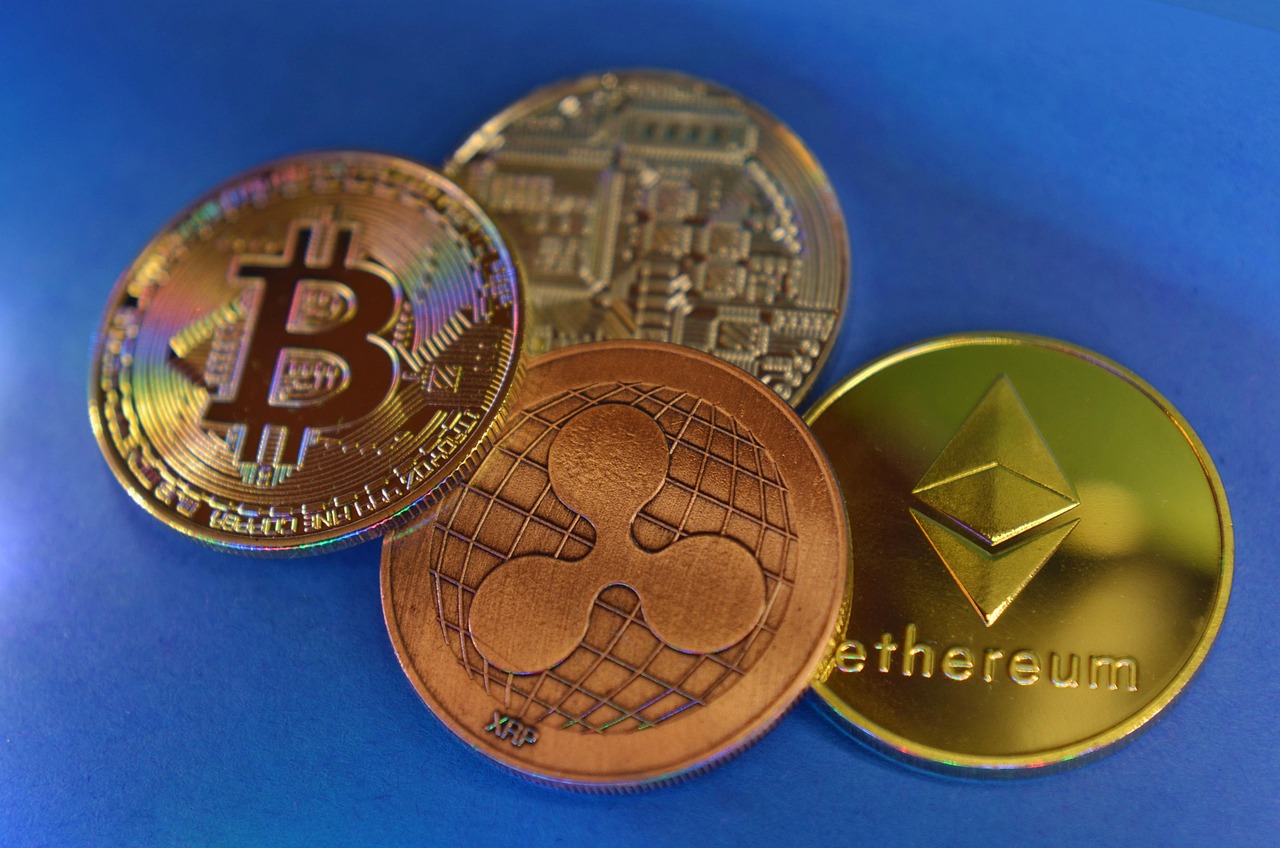
This image illustrates the decentralized nature of Bitcoin transactions through a conceptual representation of a blockchain network.
For users, transaction fees associated with bitcoin can be lower than those of traditional banking and remittance options, especially for international transfers. This cost efficiency can make Bitcoin an attractive option for many individuals and businesses looking to conduct transactions globally without incurring hefty fees. Understanding these benefits can
Additionally, Bitcoin offers accessibility. Individuals who may be unbanked or underbanked can participate in the global economy through Bitcoin, as it only requires internet access to get started. This can be especially beneficial in regions where financial services are limited or unreliable.
Despite these advantages, there are scenarios where using bitcoins may not be optimal. For instance, Bitcoin is not suitable for immediate transaction requirements due to its average confirmation times, which can vary significantly based on network congestion. In instances where instantaneous transactions are critical, alternative payment options may be preferable.
Further, Bitcoin’s extreme volatility poses a risk for investors. Large price fluctuations can lead to substantial short-term losses, making Bitcoin a less suitable choice for conservative investors or those who cannot afford to take on high risk. In such cases, traditional asset classes offering more stability, such as bonds or mutual funds, may be more appropriate. Bitcoin operates on a blockchain

Lastly, while Bitcoin operates on a secure blockchain, it does not insulate users from all risks, including cybersecurity threats. Individuals may risk losing their bitcoins through hacking incidents or by mismanaging their private keys. Therefore, robust security practices are essential to protect holdings.
This graphic is a conceptual representation of the security features inherent in Bitcoin transactions.
Process Flow of Bitcoin Transactions:
1. User initiates a transaction by signing it with their private key.
2. The transaction is broadcasted to the Bitcoin network.
3. The transaction is verified by miners and added to a block.
4. The block is confirmed by the network, and the transaction becomes part of the blockchain.
5. The recipient can now access the received bitcoins.
| Advantages of Bitcoins | Description | Impact |
|—————————————|———————————————————————|———————————————-|
| Decentralization | Eliminates the need for intermediaries, granting users control. | Reduces censorship and fraud risks. |
| Security | Uses cryptographic methods to secure transactions. | Protects against unauthorized modifications. |
| Accessibility | Allows participation in the economy from anywhere with internet. | Enables global access to financial services. |
In summary, the advantages of bitcoins offer compelling reasons for users and investors to consider this cryptocurrency. Factors such as decentralization, security, potential for appreciation, transaction cost efficiency, and accessibility make it a noteworthy digital asset. However, understanding the inherent risks and limitations is equally crucial. Those engaged in Bitcoin trading and investment must account for volatility and the need for rigorous security measures to safeguard their assets effectively. By being informed of both the advantages and challenges, users can make educated decisions that align with their financial goals.
In what ways can students utilize Bitcoin for their education-related expenses?
Students can use Bitcoin to pay for online courses, educational materials, and sometimes even tuition fees at institutions that accept cryptocurrency. On the downside, not all educational platforms accept Bitcoin, limiting its usability. However, this introduces tradeoffs that must be evaluated based on cost, complexity, or network conditions.
What factors should students consider before using Bitcoin for making educational payments?
Students should evaluate their comfort with cryptocurrency exchanges, their ability to manage market volatility, and the specific educational institution's acceptance of Bitcoin. Furthermore, they should consider the legal and tax implications of using cryptocurrency in their jurisdiction. However, this introduces tradeoffs that must be evaluated based on cost, complexity, or network conditions.
Last modified: January 22, 2026