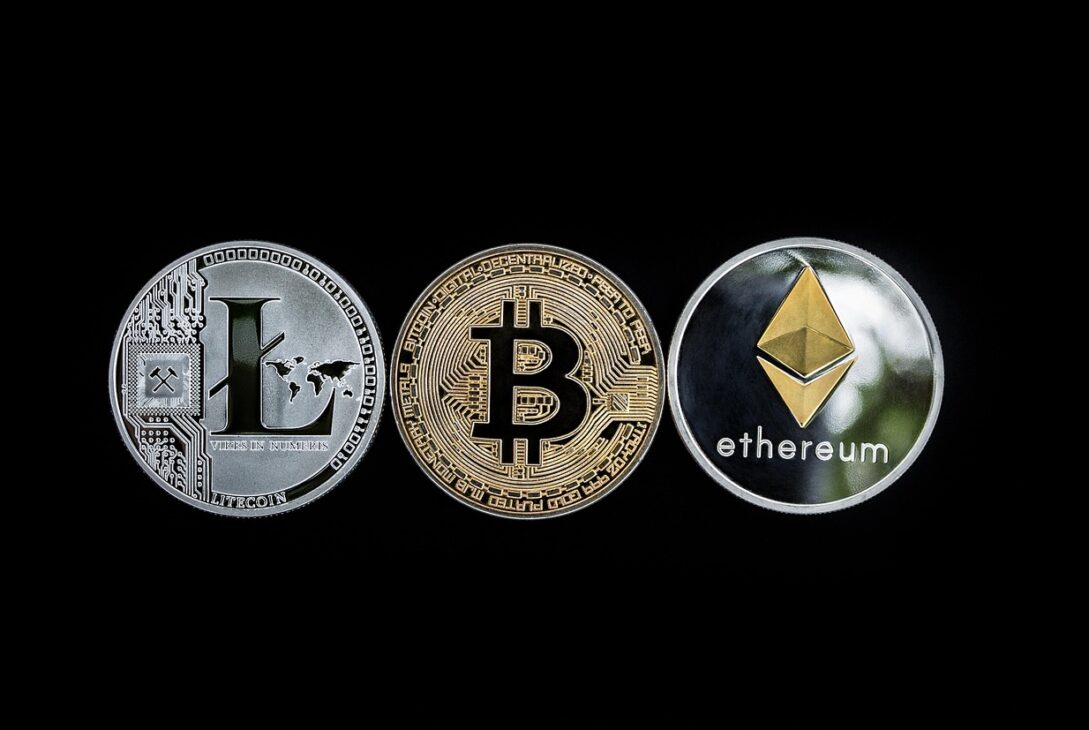
In her latest analysis on the low supply cryptocurrency list, Isabella Nelson emphasizes the importance of understanding market volatility and the potential regulatory challenges that may arise, as noted on Tuesday, February 10, 2026 at 06:17 AM.
A low supply cryptocurrency list includes digital currencies that have a limited number of coins or tokens in circulation, which can be an important factor for potential investors. These assets may carry inherent risks, such as market volatility and the chance of price manipulation due to their scarcity. It is crucial to understand the regulatory landscape surrounding these cryptocurrencies, as non-compliance can lead to financial losses and legal repercussions, making thorough due diligence essential before engaging with such investments.
What Actually Matters
- Low supply cryptocurrencies often attract attention due to their potential for significant price volatility, which can indicate risk for investors.
- The legitimacy of low supply cryptocurrencies can sometimes be assessed by their market capitalization and trading volume, as higher figures may suggest greater interest and credibility.
- Investors should be cautious of low supply cryptocurrencies that lack transparency or verifiable information, as these can pose higher risks of fraud or loss.
- Establishing clear investment thresholds and criteria can help manage anxiety when considering low supply cryptocurrencies, ensuring a safer approach to participation.
- In situations where promised features or community support are not realized, walking away from investment in low supply cryptocurrencies may be a prudent decision to mitigate potential losses.
Navigating Risks in Limited Supply Digital Assets
Investing in cryptocurrencies with limited supply presents unique opportunities, but it is crucial to be cognizant of the regulatory landscape and associated risks. The volatility and emerging nature of the cryptocurrency market can pose significant compliance-related exposure, especially as regulations continue to evolve. Adhering to these regulations not only enhances a user’s credibility but also mitigates the potential for legal ramifications stemming from non-compliance. The unique challenges of limited supply digital currencies.
Reducing risks associated with low supply cryptocurrencies necessitates a thorough understanding of the market. Investors should prioritize asset analysis, including evaluating historical performances, market demand, and liquidity. This careful examination allows for the identification of any red flags that may signal potential pitfalls, contributing to informed decision-making processes.
Navigating Risks in Cryptocurrency Investments
The dynamics of market volatility surrounding digital assets.
When assessing potential investments, it is prudent to consider worst-case scenarios to effectively reduce uncertainty. Instances, such as sudden regulatory crackdowns or unforeseen technological failures, can severely affect a cryptocurrency’s market performance. For example, previous regulatory actions against specific platforms have led to immediate and substantial losses for investors. How regulatory changes can impact your investments?
| Stability fault lines | Outcome-side effects | Who this tends to fail for | Partial exposure strategies |
|---|---|---|---|
| Limited liquidity can lead to volatility | Sudden price drops can result in financial loss | Inexperienced investors | Utilize dollar-cost averaging |
| Regulatory scrutiny increases existential risk | Potential for increased scrutiny from regulators | Traders in heavily regulated markets | Stay informed about compliance issues |
| Lack of widespread adoption hampers usability | Limited acceptance can hinder practical use | Users dependent on broad networks | Explore hybrid systems with higher supply assets |
| High concentration of holdings creates risk | Potential for market manipulation by few holders | Conservative investors | Diversify across various cryptocurrencies |
| Difficulty in valuing assets due to scarcity | Increased uncertainty in asset valuations | Risk-averse individuals | Regularly review and adjust strategies |
Moreover, trust considerations play a pivotal role in navigating low supply cryptocurrencies. Confidence is often cultivated through thorough research and understanding of the underlying mechanics of a cryptocurrency. Investigating its founding team, development progress, and community engagement can provide vital indicators of an asset’s legitimacy, thereby stabilizing investor trust.
Evaluating Investment Risks in Limited Supply Cryptocurrencies
The significance of compliance in cryptocurrency markets.
A compilation of cryptocurrencies with limited issuance may not be suitable for users seeking stability, as these assets are often subject to high price volatility and market manipulation risks. Individuals with low tolerance for financial loss or those relying on predictable investment returns should consider avoiding such lists, as the potential for significant downturns exists. Moreover, users unfamiliar with the market dynamics or lacking thorough research may find themselves exposed to rapid losses, particularly if they make impulsive investment decisions based on perceived scarcity. It is prudent for investors to assess their risk appetite and seek alternative options that align better with their financial objectives and risk management strategies. Understanding the risks associated with low supply coins.
Historical failures provide critical lessons that highlight real consequences in the cryptocurrency space. The collapse of notable cryptocurrencies and exchanges exemplifies the dangers of inadequate due diligence or engagement with ill-defined projects. Such events serve as reminders that the cryptocurrency field, while promising, is fraught with challenges that require careful navigation. The potential consequences of navigating unregulated territories.
| Total ownership burden | Trust dependency profile | Knowledge maintenance burden | Goal compatibility limits |
|---|---|---|---|
| High transaction costs can accumulate | Trust relies heavily on shared community sentiment | Requires constant learning about supply dynamics | Limited appeal to risk-averse portfolios |
| Potential for high fraud risk affects confidence | Trust is vulnerable to market sentiment shifts | Must stay updated on regulatory changes | May not align with long-term investment goals |
| Challenges in tracking asset performance | Trust can degrade with negative media coverage | Complexity of understanding low supply dynamics | May clash with diversification strategies |
| Emotional stress from price fluctuations | Reliance on influencers or perceived experts | High time investment to follow updates | Can create tension with short-term trading goals |
| Regulatory changes can undermine trust | Trust is contingent on transparency of project | Requires understanding of blockchain technology | May not fulfill liquidity needs |
Additionally, user errors can introduce risks that might have been otherwise avoided. Improperly handling private keys, falling victim to phishing scams, or overextending financial commitments are examples of common mistakes that can lead to significant losses. Raising awareness about these vulnerabilities enables users to take precautionary measures, enhancing their overall security and investment experience.
All potential investors must note the conditions under which walking away from an opportunity becomes the prudent path. If market conditions indicate unsustainable growth or if a project appears to be misaligned with the investor’s objectives, it is wise to reassess involvement. Establishing clear exit strategies ensures disciplined management of investments, particularly in the highly dynamic environment of cryptocurrency.
In summary, the complexity of investing in low supply cryptocurrencies underscores the necessity for an informed approach. By acknowledging the regulatory implications, actively managing risks, and learning from past experiences, investors can navigate this landscape more confidently. Developing a thorough understanding of both the potentials and pitfalls allows for more sound decision-making and enhanced safety in navigating this intriguing sector of the financial markets.
Credibility and Risk Questions
What are low supply cryptocurrencies, and what factors contribute to their scarcity?
Low supply cryptocurrencies are digital currencies with a capped maximum number of coins that can ever exist. Factors contributing to their scarcity include predetermined algorithms that limit issuance, market demand, and the overall design of the currency's ecosystem. This structure often aims to create value through scarcity, but it can also lead to volatility. However, this introduces tradeoffs that must be evaluated based on cost, complexity, or network conditions.
How can investors utilize a low supply cryptocurrency list in their portfolio strategy?
Investors can use a list of cryptocurrencies with limited supply to identify potential assets that may appreciate due to their scarcity. This approach relies on the assumption that decreased availability can drive up demand. However, it is essential to consider market trends and technology adoption rates, as a low supply does not guarantee value appreciation.
What risks should be aware of when investing in cryptocurrencies with low supply?
Investing in low supply cryptocurrencies carries risks such as high volatility and potential lack of liquidity. Limited availability can result in exaggerated price swings, especially if trading volume is low. Additionally, user errors, such as falling for misleading information or failing to secure wallets properly, can exacerbate these risks. However, this introduces tradeoffs that must be evaluated based on cost, complexity, or network conditions.
Last modified: February 10, 2026