Ripple Hard Wallet is explained clearly in this guide, outlining its purpose, functionality, and relevance in today’s crypto landscape.
December 2025 update — current perspective on Ripple Hard Wallet by Isabella Nelson.
A Ripple hard wallet is a physical device designed to securely store Ripple (XRP) digital assets offline, ensuring enhanced security and control over private keys. It exists to mitigate the risks associated with online storage methods, such as exchanges and software wallets, allowing users to maintain ownership of their assets without exposing them to potential online threats.
Ripple hard wallets utilize advanced encryption standards to protect user information and private keys from unauthorized access. These wallets connect to a computer or mobile device primarily when transactions occur, minimizing the time spent online and, consequently, the attack surface for potential threats. The primary components include the wallet device itself, an accompanying software interface, and a method for securely transferring funds to and from the wallet. Learn more about Ripple Hard Wallet insights

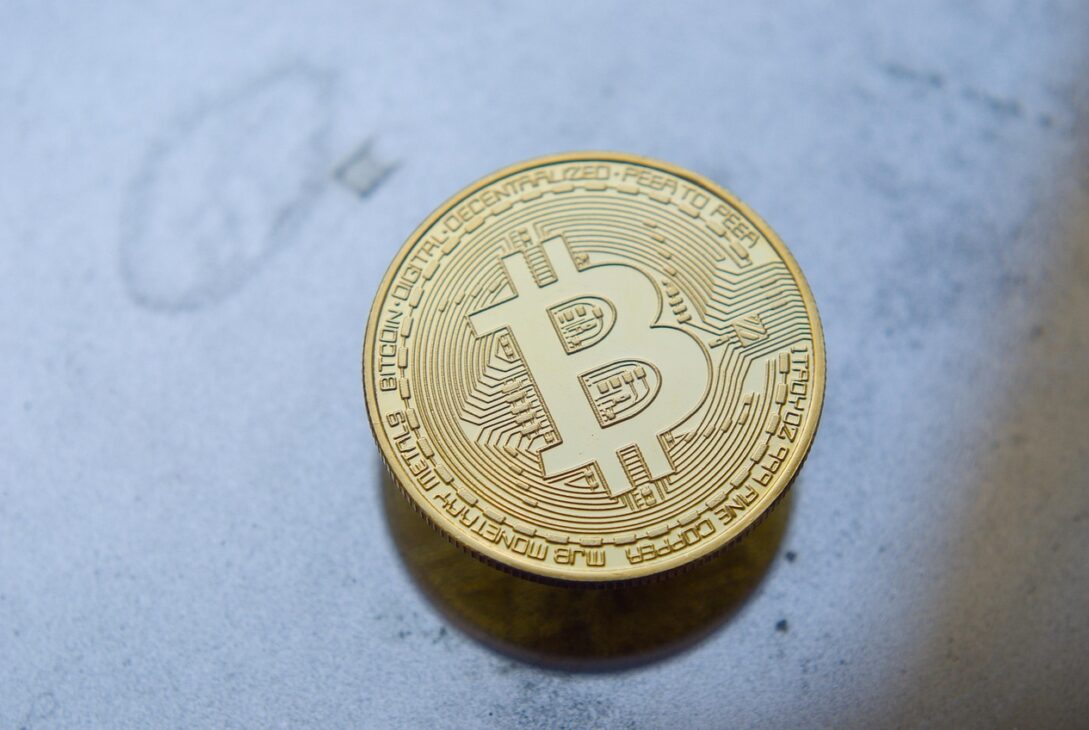
This image represents the various components involved in using a Ripple hard wallet, including the device and software interface.
Ripple hard wallets operate based on a well-defined process flow, which includes generating wallet addresses, transferring XRP, and signing transactions using private keys stored on the device. Users can access their funds conveniently while benefitting from the security that comes with keeping their assets disconnected from the internet.
Process Flow
1. Generate keys: The user creates a pair of cryptographic keys—public and private.
2. Store keys securely: The private key is stored on the hard wallet, and the public key can be shared.
3. Transfer XRP: The user sends XRP from an exchange to their Ripple hard wallet using the public address.
4. Signing transactions: Transactions are signed exclusively on the hard wallet before being broadcasted to the Ripple network.
5. Securely disconnect: Once the transaction is completed, the device is disconnected from the computer to remain offline. Explore the latest Ripple Hard Wallet trends

A Ripple hard wallet is not suitable for users who require instant access to their funds for trading or frequent transactions. For those who engage in rapid trading or small-value transactions, a software wallet may be a better option due to its ease of use and accessibility. Additionally, experienced users who manage multiple cryptocurrencies may find a multi-currency wallet more efficient. The tradeoffs include the initial setup complexity and the need for physical storage and management of the hard wallet.
In practice, users have reported that the setup process can be cumbersome and may require a learning curve for maintaining security protocols effectively. Furthermore, there are cases where hard wallets may fail to recognize certain software updates, leading to compatibility issues that can lock users out of their assets temporarily. Operational reliability can also be a concern as physical devices can suffer from hardware malfunctions.
Tradeoffs and Limitations
– Security vs. Accessibility: Hard wallets provide robust security but at the cost of convenience.
– Limited compatibility: Some Ripple hard wallets may not support every type of cryptocurrency, limiting user flexibility.
– Physical damage risk: Hard wallets are susceptible to loss or damage, which could lead to asset loss if not backed up properly. Deep dive into Ripple Hard Wallet research
The Ripple hard wallet’s security model hinges on its offline nature, allowing it to resist online threats, such as hacking or phishing attacks. The wallet keeps private keys separate from internet-connected devices, which minimizes the risk of unauthorized access. For optimal security, periodic firmware updates are recommended to ensure users benefit from the latest security advancements.
Key Components
| Component | Description | Security Importance |
|——————|—————————————–|——————————–|
| Private Key | Unique key for signing transactions | Must be kept confidential |
| Public Key | Address for receiving funds | Can be shared with others |
| Wallet Software | Interface for interaction with the wallet| Facilitates secure transactions |
A Ripple hard wallet is designed to maximize user ownership and control over digital assets while minimizing exposure to risks inherent in online environments. Each device is built using secure hardware protocols, with many incorporating biometric security measures or PIN protection to enhance usability while safeguarding against unauthorized access.
In summary, a Ripple hard wallet offers a highly secure method for storing XRP and provides peace of mind for users worried about online vulnerabilities. Understanding its components, operational mechanisms, and potential limitations enhances users’ confidence in employing this trusted technology to manage their digital assets effectively.
Users should remember that while hard wallets are a formidable option for security, they may not be the best fit for every trading style or frequency of transactions. Proper usage and understanding of the technological intricacies involved are crucial for making the most of this asset protection tool.
🔍 Top Takeaways
- Education and tooling are reducing barriers to entry for Ripple Hard Wallet.
- Adoption of Ripple Hard Wallet technologies is expected to rise steadily.
- Broader adoption of Ripple Hard Wallet depends on usability and accessibility improvements.
How does Ripple Hard Wallet compare to similar crypto concepts?
Ripple Hard Wallet differs from similar concepts by focusing on simplified insights that support faster and more accurate decisions.
What mistakes should be avoided with Ripple Hard Wallet?
Common mistakes with Ripple Hard Wallet include relying on outdated data, ignoring risk factors and failing to validate assumptions.
Can Ripple Hard Wallet improve trading performance?
Ripple Hard Wallet can improve performance by offering structure, reducing noise and supporting more consistent decision-making.
Last modified: December 31, 2025