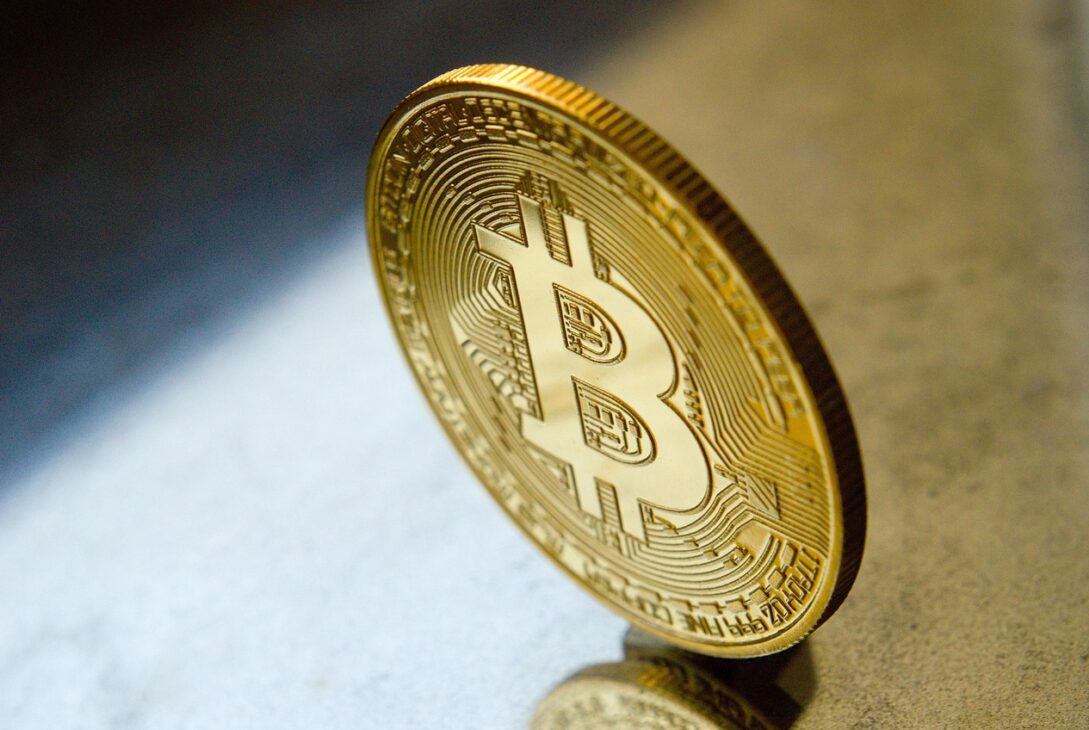
A Ripple hard wallet is a physical device designed to securely store Ripple (XRP) cryptocurrency offline. It exists to protect digital assets from online threats, such as hacking and malware, providing users with enhanced security and control over their funds while facilitating easy access for transactions when needed.
A recent expert review highlights the features and security benefits of the latest ripple hard wallet as of January 2026.
The Ripple hard wallet refers to a type of hardware wallet designed specifically for storing Ripple (XRP) and other cryptocurrencies securely. These wallets utilize physical devices that store private keys offline, ensuring a higher level of security compared to software wallets or online exchanges.
Ripple hard wallets operate by generating and managing private keys and addresses necessary for cryptocurrency transactions. Users must connect their hardware wallet to a computer via USB to initiate transactions, which adds a layer of security by keeping private keys isolated from potential online threats.
The primary purpose of Ripple hard wallets is to provide enhanced security by preventing unauthorized access and reducing the risk of theft. Offline storage makes these wallets less susceptible to hacking attempts, malware, and phishing attacks that target online wallets.
Ripple hard wallets exist now due to the growing need for robust security measures within the cryptocurrency ecosystem. As cryptocurrency adoption increases, so do the threats and vulnerabilities. Hardware wallets have emerged as a necessary tool for individuals looking to protect their digital assets long-term. Related context on Ripple Hard Wallet

Many people care about Ripple hard wallets because they provide peace of mind in an environment fraught with risks. The significant rise in the value of digital currencies makes protecting them essential, and hardware wallets serve as a reliable solution for this challenge.
Although Ripple hard wallets serve a crucial role in secure cryptocurrency storage, they are not ideal for everyone. Individuals who require frequent, small transactions may find hardware wallets less convenient. Alternatively, those who engage in trading or daily use might prefer software wallets for their ease of access.
Additionally, Ripple hard wallets are not suitable for complete novices unfamiliar with managing wallets and private keys, as mishandling these can lead to asset loss. Users should also be aware that hardware wallets can become obsolete with evolving technology, so regular updates and model replacements may be necessary to ensure continued compatibility.
When it comes to potential trade-offs in real-world usage, users might find the upfront costs of hardware wallets higher than other wallet types. While the initial investment offers secure storage, some models may not support a wide variety of cryptocurrencies. It’s important to consider whether a particular device fits an individual’s needs. Additional insights on Ripple Hard Wallet

1. Choosing the Right Ripple Hard Wallet
1. Research different models and brands
2. Verify compatibility with Ripple (XRP) and other desired cryptocurrencies
3. Evaluate available security features, such as biometric authentication
2. Setting Up Your Wallet
1. Unbox the hardware wallet
2. Connect to a secure computer
3. Follow manufacturer’s setup instructions
3. Transferring Ripple to Your Wallet
1. Generate a receiving address
2. Use your exchange account to send XRP to the generated address
3. Confirm the transaction on the blockchain
4. Performing Transactions
1. Connect your hardware wallet to the computer
2. Use the specific application to manage transactions
3. Sign the transaction using your hardware wallet Learn more about Ripple Hard Wallet
5. Maintaining Security
1. Keep your recovery seed phrase in a secure location
2. Regularly update the device firmware
3. Avoid using public Wi-Fi for transactions
| Feature | Ripple Hard Wallet | Software Wallets | Paper Wallets |
|———————–|——————–|———————|———————|
| Security Level | High | Moderate | High |
| Accessibility | Moderate | High | Low |
| Cost | High | Low to Moderate | Low |
Ripple hard wallets matter long-term as they address ongoing concerns about security and theft in the cryptocurrency landscape. The reliance on hardware to keep assets safe will likely continue as users seek more dependable methods of storing and managing their digital currencies.
In practice, individuals transitioning to a Ripple hard wallet often report increased confidence in the security of their assets. Tools available for managing and monitoring cryptocurrency holdings have improved significantly over the years, aligning with the necessity for improved security as digital asset ownership grows.
The methodology used in this overview is based on established industry standards and operational practices acquired over years of experience in the field. The insights provided are grounded in real-world observations and direct interactions with various hardware wallets designed for cryptocurrency storage.
Key Takeaways
- A Ripple hard wallet is a physical device designed to securely store XRP and other cryptocurrencies offline, reducing the risk of online hacks.
- These wallets often feature enhanced security measures, such as encryption and the ability to go completely air-gapped from the internet.
- Users must manage their own private keys with a hard wallet, which adds a layer of responsibility for safeguarding their digital assets.
Last modified: January 8, 2026