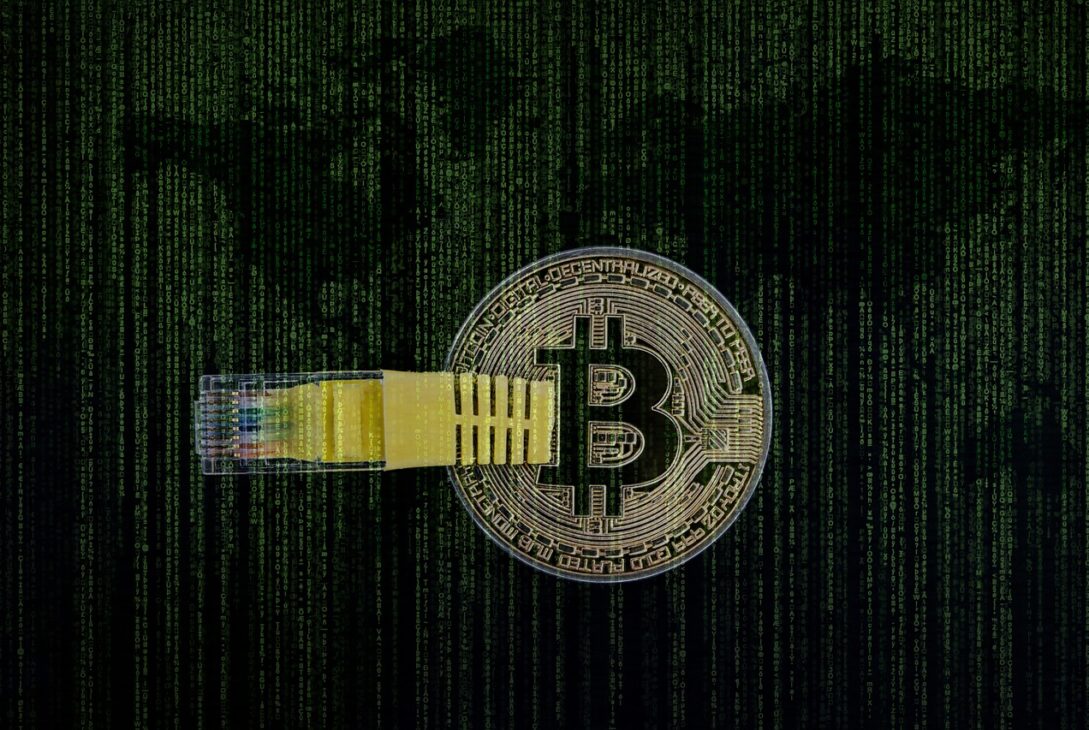
In her latest analysis, Isabella Nelson explores the question of whether Bitcoin will continue to appreciate, providing insights as of Wednesday, January 21, 2026 at 11:50 PM.
The question of whether bitcoin is going to keep going up is rooted in complex market dynamics, investor behavior, and macroeconomic factors. Bitcoin, as a decentralized digital currency, operates within a unique ecosystem influenced by various variables, from regulatory changes to technological advancements. Understanding these influences is crucial for anyone considering investment in this volatile asset.
Bitcoin’s price has historically shown significant fluctuations. In the last decade, it reached an all-time high nearing $64,000 in April 2021, followed by substantial corrections. These price movements often correlate with broader economic conditions, technological changes in the blockchain space, and shifts in investor sentiment, illustrating a market that is deeply affected by both external pressures and internal dynamics.
Investor interest in bitcoin remains high, partly due to its perceived potential as a hedge against inflation and currency devaluation. According to various industry reports, around 46 million Americans owned bitcoin as of 2021, highlighting its growing mainstream acceptance. Nevertheless, while many investors are optimistic about bitcoin’s future, it is essential to balance this enthusiasm with a grounded understanding of the risks involved.
Investment in bitcoin carries inherent risks. Price volatility poses a consistent challenge, where dramatic increases can be followed by equally severe downturns. Additionally, regulatory exposure remains a significant concern, as governments worldwide continue to develop frameworks that can substantially affect the cryptocurrency landscape. These risks necessitate a cautious approach, emphasizing thorough research and risk management in investment strategies. The complexities behind market dynamics

The market also faces user-specific risks. New investors may fall prey to common pitfalls, such as emotional trading or insufficient knowledge of market dynamics. Defensive strategies should be employed to mitigate potential losses stemming from these user errors. Historically, many inexperienced investors have exited markets during downturns, often resulting in missed opportunities for recovery.
Investment in bitcoin may not be suitable for everyone. Those seeking a stable, predictable return generally should consider alternative investment vehicles, as the cryptocurrency market’s unpredictable nature can lead to losses. Additionally, risk-averse individuals may find the inherent volatility intolerable.
For investors considering bitcoin, here are critical factors to evaluate:
1. Market trends: Analyze historical price movements.
2. Regulatory environment: Stay informed of government policies.
3. Technological developments: Understand blockchain innovations affecting bitcoin.
4. Investor sentiment: Consider broader market psychology and trends.
5. Diversification: Balance bitcoin investments with other asset classes. The unique ecosystem of decentralized currencies

The decision to invest in bitcoin must be made with careful consideration of the potential downsides. Here are three key insights from operational experience that illustrate the trade-offs when investing in bitcoin:
1. Liquidity issues: Large trades can potentially impact market prices, highlighting that liquidity can become a concern in less active periods or with smaller exchanges. Investors should ensure access to sufficient trading outlets.
2. Security threats: While blockchain technology is inherently secure, external attacks on exchanges or wallets can result in financial loss. Investors must prioritize secure storage solutions and recognize potential vulnerabilities in third-party platforms.
3. Tax implications: Cryptocurrency transactions may trigger tax liabilities depending on jurisdiction, complicating investment strategies. It’s essential for investors to understand these implications and incorporate them into their financial planning.
Investing in bitcoin can involve significant risks, but these can be managed through informed strategies. Understanding the landscape and actively monitoring developments will allow individuals to make better decisions regarding their investments.
For individuals contemplating investment in bitcoin, a structured approach may be beneficial. The following process outlines strategic steps to guidance: The factors influencing investment decisions

1. Research the market thoroughly to understand historical trends.
2. Analyze price volatility and set criteria for entry and exit points.
3. Monitor regulatory changes and adapt to ensure compliance.
4. Diversify investments to mitigate risks associated with bitcoin.
5. Regularly reassess the investment strategy based on performance data and market conditions.
Here is a summary table highlighting critical investment considerations in bitcoin:
| Aspect | Considerations | Potential Risks |
|———————|———————————————|———————————-|
| Market Trends | Historical price movements | Significant volatility |
| Regulatory Factors | Compliance with evolving regulations | Sudden changes impacting trading |
| Technological Advancements | Innovations affecting usability | Adoption challenges |
| Investment Strategies | Diversification and risk management | Overconcentration on one asset |
| User Behavior | Emotional trading and market psychology | Poor decision making |
In conclusion, understanding whether bitcoin is going to keep going up necessitates a comprehensive look at numerous factors influencing the market. With careful analysis and strategic planning, investors can navigate these complexities effectively, fostering a balanced investment posture. As the landscape continues to evolve, remaining adaptable and informed can provide a robust framework for engaging with bitcoin as an investment vehicle.
What factors contribute to the potential rise in Bitcoin's value?
Bitcoin's value can be influenced by supply and demand dynamics, market sentiment, and macroeconomic factors such as inflation rates. Additionally, institutional adoption and changes in regulatory frameworks can significantly impact price trajectories, making any prediction inherently uncertain. However, this introduces tradeoffs that must be evaluated based on cost, complexity, or network conditions.
How is Bitcoin typically used in financial transactions?
Bitcoin is primarily used as a form of digital currency for online purchases, investment vehicles, and remittances. However, its volatile nature can make it less desirable for daily transactions compared to more stable forms of currency, leading some users to hold it as a speculative asset instead.
What should investors consider before buying Bitcoin?
Investors should evaluate their risk tolerance, investment horizon, and the potential for loss given Bitcoin's price fluctuations. Additionally, understanding the underlying technology and market mechanisms is crucial, as the cryptocurrency market can be influenced by factors such as regulatory changes and technological advancements. However, this introduces tradeoffs that must be evaluated based on cost, complexity, or network conditions.
Last modified: January 21, 2026