
Isabella Nelson provided an analysis on how to mine bitcoin on a PC, published on Thursday, January 22, 2026 at 06:10 AM.
Mining Bitcoin on a PC involves validating transactions on the Bitcoin network and adding them to the blockchain in exchange for Bitcoin rewards. This process requires significant computational power, which translates to higher energy consumption. Individuals willing to engage in this practice must be aware of the components involved, the necessary equipment, and the potential challenges they may face.
To start mining Bitcoin on a PC, users need to ensure they have the right hardware and software. A powerful CPU or, more commonly, a Graphics Processing Unit (GPU) is required to perform complex calculations quickly. Additionally, mining software tailored to connect to the Bitcoin network and perform calculations is essential. Popular software options include CGMiner and NiceHash, each offering various user settings to optimize mining performance.
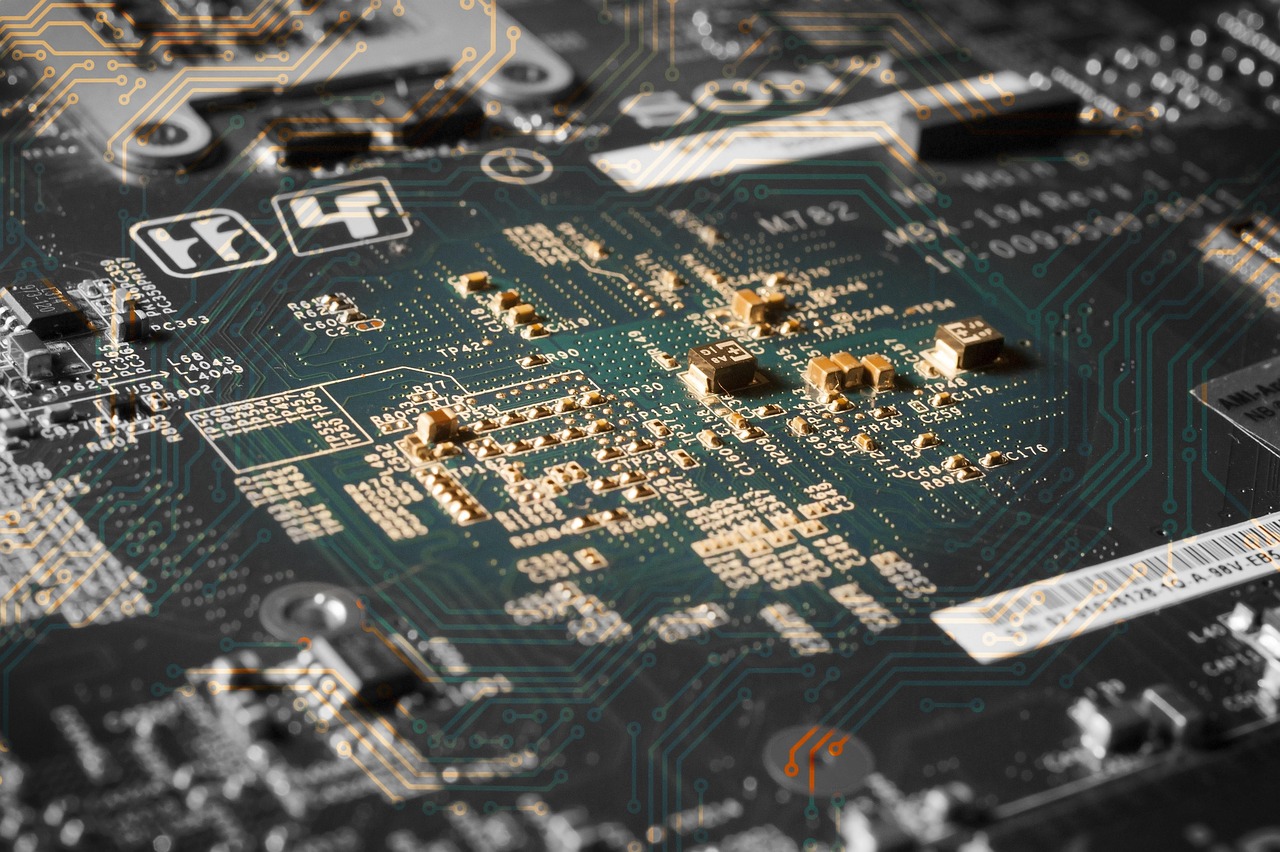
This image illustrates the components needed for Bitcoin mining on a PC, showcasing the importance of both hardware and software in facilitating the mining process. Isabella Nelson provided an analysis on

The mining process itself can be broken down into several steps, which include the following:
1. Choose Mining Hardware: Select the necessary computer hardware, ensuring it has a robust GPU or CPU for optimal performance.
2. Install Mining Software: Download and install mining software compatible with your hardware and the Bitcoin network.
3. Join a Mining Pool: Consider joining a mining pool to increase your chances of earning Bitcoin through a collaborative approach.
4. Create a Wallet: Set up a Bitcoin wallet to store your mined Bitcoins securely.
5. Start Mining: Run the mining software and begin the mining process, monitoring performance and making adjustments as necessary.
This table summarizes key aspects of the Bitcoin mining process, highlighting the required hardware, software, and typical energy consumption: This process requires significant computational power
| Component | Description | Considerations |
|———————–|———————————————–|———————————————|
| Hardware | High-powered CPU or GPU | Costs increase with efficiency |
| Mining Software | Programs that connect to the Bitcoin network | Choose based on compatibility |
| Bitcoin Wallet | Secure storage for mined Bitcoin | Select a well-reviewed, secure option |
While mining Bitcoin on a PC can seem appealing, it may not be the best choice for everyone. It is not particularly suitable for those who seek high returns on a small investment or those with limited technical expertise. Furthermore, users with standard consumer hardware may find that the electricity costs outweigh the mining rewards they receive. Networks and energy costs fluctuate, and potential profits can quickly diminish against operational expenses.
Three critical insights into mining Bitcoin on a PC include the following: First, consumer-grade GPU mining can yield very low outputs compared to industrial ASIC miners; many miners find their systems produce negligible bitcoins due to the high competition. Second, mining can lead to considerable wear and tear on hardware, resulting in potentially costly replacements or repairs. Third, regulatory considerations may arise as more regions impose restrictions or encourage the reduction of energy consumption, complicating long-term profitability. This process requires significant computational power

In practice, managing costs effectively is vital. A careful assessment of electricity rates should be conducted as higher rates can significantly impact the profitability of mining activities. Engaging actively in the mining community and staying up to date with industry changes can also provide valuable insights for maximizing efficiency.
When embarking on Bitcoin mining, awareness of market conditions and the inherent risks associated with the mining process is crucial. This includes understanding the volatility of Bitcoin prices and how it impacts operational viability. Mining is not a guaranteed source of income and should be approached with caution.
In summary, while mining Bitcoin on a PC can offer some benefits, it also presents a range of challenges and risks. By comprehensively understanding the factors involved, individuals can make informed decisions about whether to engage in this venture. As the market and technology evolve, staying evenly and methodically informed is essential for successful participation in Bitcoin mining.
What does it mean to mine bitcoin using a personal computer?
Mining bitcoin on a PC involves using computational power to solve complex mathematical problems that validate transactions on the Bitcoin network. This process rewards miners with new bitcoins, but the overall effectiveness is limited due to the high computational difficulty and the dominance of specialized mining hardware. However, this introduces tradeoffs that must be evaluated based on cost, complexity, or network conditions.
How can I start using my computer for bitcoin mining?
To start mining on your PC, you need to download mining software, join a mining pool, and ensure that your hardware meets the system requirements, including a capable GPU. Keep in mind that the energy costs and risks of hardware damage may outweigh the rewards, especially if you use older or less powerful machines. However, this introduces tradeoffs that must be evaluated based on cost, complexity, or network conditions.
Is it better to mine bitcoin on a PC or invest in dedicated mining hardware?
While using a PC for mining can be an entry point, dedicated mining hardware, like ASIC miners, generally offers much higher hashing power and efficiency. Comparatively, mining on a PC typically results in lower profits due to slower processing capabilities and higher energy consumption relative to the mined bitcoins.
Last modified: January 22, 2026